• Skip to primary navigation
  • Skip to main content
  • Skip to primary sidebar
  • Skip to footer

The Body Can

  • Home
  • About
  • How I Help
  • Kidney Health
  • Face & Tongue Analysis
  • Conditions We Address
    • Natural Facelift
    • Scleroderma
    • Trigeminal Neuralgia
    • Lichen Planus
    • Depression & Mental Health
    • Natural Hair Restoration
    • Polycythemia Vera
    • Thrombocytopenia
    • Lyme Support
    • Natural Cancer Support
    • Diabetes Support
    • Blood Pressure Support
  • Blog
  • Press & Media
  • The Research
  • Book a Consultation

Randi Shannon

Why Your Labs Look “Normal” but You Still Feel Terrible

June 27, 2026 by Randi Shannon

It’s one of the most frustrating sentences in medicine: “Your labs are normal.” You hear it, and a part of you deflates — because you know how you feel, and “normal” isn’t it.

Here’s the thing most people are never told: standard lab ranges are wide, and they’re built around averages — not around you. A result can sit at the very edge of “normal” and still be far from optimal for your body. Two people with the identical number can feel completely different. And many of the things that drive how you feel — patterns across several markers, subtle trends over time, the way your systems interact — don’t show up as a single flagged value on a one-page printout.

There’s also a deeper issue: a standard panel is a snapshot of a few markers, ordered to rule out a few specific problems. It was never designed to answer the question you’re actually asking — why do I feel this way, and what’s the root of it?

That’s a different kind of investigation. It looks at the whole picture: your patterns, your history, your other symptoms, even what your body shows on the outside. It’s the difference between “nothing’s flagged” and “here’s what’s actually going on with you.”

If you’ve been told you’re “fine” but you know you’re not, you’re not imagining it — and you’re not out of options. That gap between “normal” and well is exactly where I work.

Curious what your fuller picture looks like?

Book a Consultation


About Randi Shannon, Doctor of Naturopathy

Randi Shannon is a Doctor of Naturopathy (Trinity School of Natural Health) with more than 25 years of experience helping people with chronic and complex conditions heal naturally, from the root, and alongside their medical team. She is known for her signature face, tongue, and fingernail analysis. Virtual consultations are available nationwide. 📞 844-275-1056

Disclaimer: This article is for educational purposes only and is not intended to diagnose, treat, cure, or prevent any disease. Naturopathic care complements and does not replace the advice of your physician. Please consult your doctor for personalized medical advice.

Keep reading → 3 Early Signs Your Kidneys May Need Attention

Filed Under: Uncategorized

Hepatitis

December 19, 2017 by Randi Shannon

Hepatitis is a medical condition characterized by inflammation of the liver, and there are several types of hepatitis (e.g., hepatitis A, B, C, etc.), each with its own causes and treatment options. It is essential to remember that while certain lifestyle changes and dietary supplements may support liver health, they should not be considered a substitute for naturopathic treatment. If you or someone you know is experiencing symptoms or has been diagnosed with hepatitis, it is crucial to seek guidance from a qualified healthcare professional. They can provide personalized advice and appropriate treatment based on the specific type and severity of hepatitis. If you are interested in improving liver health and overall wellness, here are some general tips that may help:
  1. Follow a Balanced Diet: Consume a well-balanced diet rich in fruits, vegetables, whole grains, lean proteins, and healthy fats. Limit or remove entirely, processed foods, alcohol, and high-fat, high-sugar items.
  2. Stay Hydrated: Drink plenty of water throughout the day to support overall health and maintain good hydration.
  3. Avoid Alcohol and Harmful Substances: Refrain from alcohol consumption and avoid exposure to harmful substances that can further damage the liver.
  4. Exercise Regularly: Engage in regular physical activity to support overall well-being, including liver health.
  5. Get Enough Sleep: Aim for sufficient and quality sleep each night, as rest is essential for the body’s healing processes.
  6. Manage Stress: Chronic stress can negatively impact health, including liver function. Find healthy ways to manage stress, such as through meditation, yoga, or hobbies.
  7. Consider Supplements (with Naturopathic Advice): Some supplements, like milk thistle, may have shown promise in supporting liver health. However, always consult with a healthcare provider before adding any supplements to your routine.
  8. Call Traditional Naturopathic Doctor Randi Shannon today 844-275-1056 or get scheduled thebodycan.com/schedule

Please read this before acting on anything above. These are general suggestions, not directions; check each one against your current medications with your pharmacist or physician before taking anything.

Filed Under: what ails you

Heart Disease Facts

December 19, 2017 by Randi Shannon

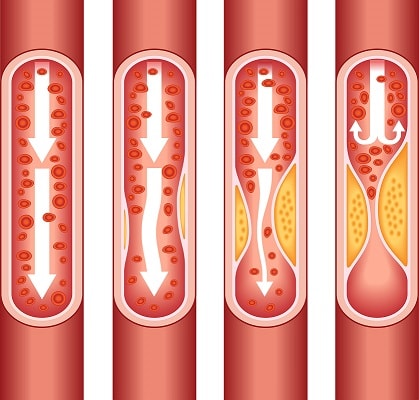
As plaque builds up in the arteries of a person with heart disease, the inside of the arteries begins to narrow, which lessens or blocks the flow of blood.

As plaque builds up in the arteries of a person with heart disease, the inside of the arteries begins to narrow, which lessens or blocks the flow of blood. Plaques can also rupture (break open) and when they do a blood clot can form on the plaque, blocking the flow of blood.

Heart Disease in the United States

  • About 610,000 people die of heart disease in the United States every year, that’s 1 in every 4 deaths.
  • Heart disease is the leading cause of death for both men and women. More than half of the deaths due to heart disease in 2009 were in men.
  • Coronary heart disease (CHD) is the most common type of heart disease, killing over 370,000 people annually.
  • Every year about 735,000 Americans have a heart attack. Of these, 525,000 are a first heart attack and 210,000 happen in people who have already had a heart attack.

Heart Disease Deaths Vary by Race and Ethnicity

Heart disease is the leading cause of death for people of most ethnicities in the United States, including African Americans, Hispanics, and whites. For American Indians or Alaska Natives and Asians or Pacific Islanders, heart disease is second only to cancer. Below are the percentages of all deaths caused by heart disease in 2008, listed by ethnicity.

Race of Ethnic Group % of Deaths
American Indians or Alaska Natives 17.4
Asians or Pacific Islanders 21.2
Non-Hispanic Blacks 22.8
Non-Hispanic Whites 22.8
All 23.5


Early Action is Important for Heart Attack

Know the warning signs and symptoms of a heart attack so that you can act fast if you or someone you know might be having a heart attack. The chances of survival are greater when emergency treatment begins quickly.

  • In a 2005 survey, most respondents, 92%, recognized chest pain as a symptom of a heart attack. Only 27% were aware of all major symptoms and knew to call 9-1-1 when someone was having a heart attack.
  • About 47% of sudden cardiac deaths occur outside a hospital. This suggests that many people with heart disease don’t act on early warning signs.

Heart attacks have several major warning signs and symptoms:

  • Chest pain or discomfort.
  • Upper body pain or discomfort in the arms, back, neck, jaw, or upper stomach.
  • Shortness of breath.
  • Nausea, lightheadedness, or cold sweats.

Americans at Risk for Heart Disease

High blood pressure, high cholesterol, and smoking are key risk factors for heart disease. About half of Americans (47%) have at least one of these three risk factors.

Several other medical conditions and lifestyle choices can also put people at a higher risk for heart disease, including:

  • Diabetes
  • Overweight and obesity
  • Poor diet
  • Physical inactivity
  • Excessive alcohol use

CDC Fact Sheets Related to Heart Disease

  • Heart Disease Fact Sheet
  • Men and Heart Disease
  • Women and Heart Disease
  • Atrial Fibrillation
  • Cardiomyopathy
  • Heart Failure
  • Signs and Symptoms of a Heart Attack
  • Aortic Aneurysm
  • Cholesterol
  • High Blood Pressure
  • Pulmonary Hypertension Fact Sheet

Learn more about heart disease and its risk factors. It’s important for everyone to know the facts about heart disease[PDF-243K].

Filed Under: what ails you

Bone and Joint Pain

December 19, 2017 by Randi Shannon

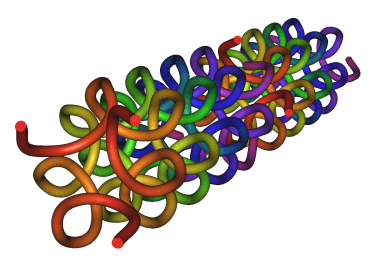
       Structure of collagen helix

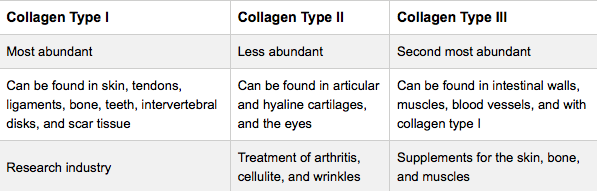
Collagen type 1 is the most numerous in number among all collagen types. It can be found in bones, skin, and intervertebral disks. It can also be found in scar tissue. Among the collagen types, it is used in the research industry.

Collagen type 2 has fibrils that are important for providing tensile strength to tissues. It can be found in articular and hyaline cartilages, and the eyes. Type II collagen is used in the treatment of arthritis, cellulite, and wrinkles.

Collagen type 3 is the second most abundant collagen in the body. It is closely related to collagen type I in terms of location and manner of synthesis. It is primarily located in the intestinal walls, muscles, and blood vessels, although it can also be found with collagen type I. Collagen type I and type III can be mixed together to create supplements for the skin, bone, and muscles.

Comparison Chart

Collagen Type 1 vs 2 vs 3

What is the difference between the collagen type 1, 2 and 3? Let us compare the three in terms of number, location, and other uses.

  • Among the three collagen types, the most abundant is type I, followed by type III, and the last is type II.
  • Collagen type I can be found in skin, tendons, ligaments, bone, teeth, intervertebral disks, and scar tissue. Collagen type II is found mainly in articular and hyaline cartilages, and in the eyes. Collagen type III is seen in the muscles, intestinal walls, and blood vessels. It is also closely associated with collagen type I, thus it is common to see collagen type III at sites with collagen type I.
  • Advanced medical technology has found ways to manufacture and use the different collagen types outside the body. Collagen type I is also used in the research industry. Collagen type II is manufactured into capsules that is used in treatment of arthritis, cellulite, and wrinkles. As for collagen type III it is manufactured into capsules as supplements for healthy skin, bone, and muscles.

Filed Under: what ails you Tagged With: arthritis, bone, cellulite, collagen helix, hyaline cartilages, intervertebral disk, ligaments, scar tissue, skin bones muscles, teeth, tendons, Type 1 Collagen, Type 2 Collagen, Type 3 Collagen, wrinkles

The Body Can with Randi Shannon

December 18, 2017 by Randi Shannon

We believe in the power of nature. It’s been proven time and time again to be the best medicine for the body, mind and spirit. Preventative medicine is a matter of mind set. At thebodycan.com, we believe that a healthy lifestyle doesn’t have to be difficult or expensive. Alternative methods are generally cheaper, safer, and many times far more effective than drugs. With a few tweaks in your lifestyle you might realize how true this is.

Being unhealthy is the scourge of our age. Our bodies are the testing grounds for pollutants of all kinds. Chemical toxins in the air, water, and soil are causing sicknesses of all kinds to our bodies. If the profits continue in the treatment of symptoms, the medical profession will never be concerned with getting to the root cause. Time is critical and there is no time to waste.

There is a difference between home care and a real emergency. Many people don’t realize that their condition may be caused by breaking the laws of nature. If you follow the basic laws of health you can restore the body to its original condition. Our purpose is to share enough information so you can avoid the unnecessary hospital visits. We are here to help humanity and to give hope to those that have become hopeless.

Keep reading → What Is a Traditional Naturopathic Doctor?

Filed Under: Blog, Uncategorized

Natural Remedies

December 18, 2017 by Randi Shannon

All testimonials and product reviews are authentic from actual clients. Documentation is available for legal inspection. Product reviews are within range of typicality.
Information and statements made are for education purposes and are not intended to replace the advice of your treating doctor. TheBodyCan.com does not dispense medical advice, prescribe, or diagnose illness. The views and nutritional advice expressed by TheBodyCan.com are not intended to be a substitute for conventional medical service. If you have a severe medical condition or health concern, see your physician. This Web site contains links to Web sites operated by other parties. Such links are provided for your convenience and reference only. We are not responsible for the content or products of any linked site or any link contained in a linked site. TheBodyCan.com does not adopt any medical claims which may have been made in 3rd party references. Where TheBodyCan.com has control over the posting or other communications of such claims to the public, TheBodyCan.com will make its best effort to remove such claims.

Filed Under: Blog

  • « Go to Previous Page
  • Page 1
  • Page 2
  • Page 3
  • Page 4

Primary Sidebar

Get Your FREE Report On The Foods You Must Stop Eating Right NOW (Value…$Priceless)

Simply enter your email to uncover something crucial before your next bite!

Rest assured, we respect your privacy—we won’t spam you or share your information.

Footer

Some Useful Links

  • DMCA POLICY
  • What Is a Traditional Naturopathic Doctor?
  • Privacy Policy

The Body CAN Ministry · c/o R. Shannon · 2520 Coral Way, Ste. 2, #63, Miami, FL 33145 · info@thebodycan.com

Educational and religious purposes only — not medical advice. Randi Shannon does not diagnose, treat, or prescribe, and is not a licensed medical doctor. Your choices are your own. Consult a licensed provider about your health. In an emergency, call 911.

Terms · Privacy · © 2026 The Body CAN Ministry